31. The Art & Science of Bedtime: A Simple Hack to Change Your Routine
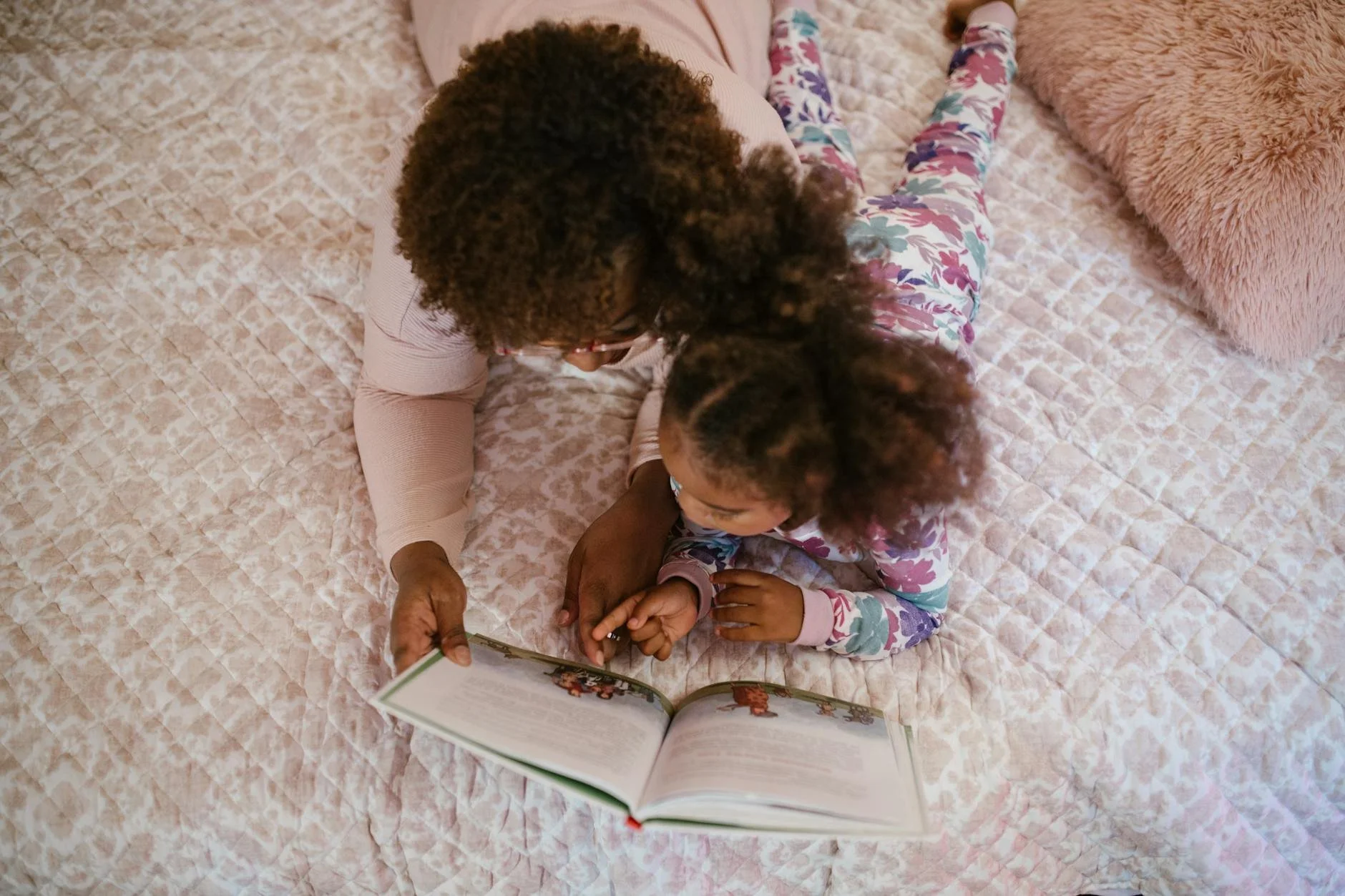
If you’ve ever wondered why your kids won’t open up… or why conversations feel shallow, rushed, or like pulling teeth - this might surprise you.
The easiest way to get your kids talking, no matter their age, isn’t:
- a big family dinner,
- a perfectly-timed car conversation, or
- a screen-free block of time.
All of those things help, of course. Keep doing them.
But the real secret?
Tuck them in.
Bedtime is one of the most overlooked, underrated, and powerful opportunities for connection. It’s not just about getting your kids to sleep - it’s about shaping their sense of safety, belonging, and attachment.
In this post, we’re going to explore:
- the science behind why bedtime matters
- the five major benefits of tucking kids in
- the common challenges families face
- practical solutions for every age
- how bedtime connection strengthens your relationship long-term
Let’s dive in.
Why Bedtime Is So Powerful for Connection
1. Predictable Routines Calm the Brain
Neuroscience is incredibly clear: predictable routines help regulate the nervous system.
When kids know what to expect, their brains relax. Those repeated bedtime cues - dim lights, soft voices, the same lamp or playlist - signal safety.
This isn’t just cozy. It’s neurological.
Consistent sensory cues like:
- turning down lights
- playing a calming song
- switching on the same lamp
- smoothing a blanket
…tell the brain, “I know this feeling. It’s time to wind down.”
The result?
Better sleep, easier transitions, and a calmer child.
2. Bedtime Is a Built-In Transition Window
The end of the day naturally slows things down. There’s less noise, fewer distractions, and more emotional openness. In child development, there’s a well-known idea that the most important connection moments are:
- the first 3 minutes after they wake up
- the first 3 minutes after school or an activity
- the last 3 minutes before bed
That’s only nine minutes a day - but those nine minutes set the tone for your relationship.
If you don’t intentionally protect these moments, they slip away. Kids go to bed unsettled. Parents go to bed rushed. And the relationship misses its grounding point.
Bedtime isn’t complicated.
But it is intentional.
The 5 Benefits of Tucking Your Kids In
Here are five powerful, research-backed, relationship-changing benefits of tucking kids in - for toddlers, teens, and even young adults.
1. Bedtime Routines Build Healthy Brains
Each night, as you dim lights or pull up blankets, you’re reinforcing patterns of:
- safety
- predictability
- emotional regulation
- calm
And safety is the foundation of sleep.
Good sleep improves:
- focus
- mood
- memory
- cognitive development
- emotional resilience
You’re not just tucking them in - you’re literally wiring their brains for wellbeing.
2. It Gives Them One-on-One Attention
All day, kids share us with everything - siblings, work, chores, responsibilities, exhaustion.
Bedtime says:
“This moment is just for you.”
If you’re wondering what to say, try simple prompts:
- “What was your favorite part of today?”
- “What was hard today?”
- “What are you looking forward to tomorrow?”
One question opens more doors than a full interrogation ever could.
3. It Shows Them They Matter More Than the Clock
Routines are important, but rigidity isn’t connection.
Even when you’re exhausted, a three-minute tuck-in strategy works:
- three minutes per child
- no phone
- no chores
- just presence
It’s long enough to ground them and short enough to protect your evening.
If you have multiple kids, rotate who gets a longer tuck-in. It doesn’t have to be equal - it just has to be consistent.
4. It Opens Communication Channels
Kids often save the big stuff for nighttime.
Something about the dark, the quiet, the stillness pulls truth to the surface.
Try the doorway pause:
Tuck them in, walk to the door, and pause for ten seconds.
That’s when the magic often happens:
“Mom… do you have a minute?”
Teens are different, of course. If they stay up later than you, leave a note on their pillow. Or send a simple text:
“Goodnight. I’m here if you want to talk.”
It communicates availability - which is everything.
5. It Invites You Into Their Personal Space
As kids grow, “tucking in” evolves:
- Toddlers want snuggles.
- Elementary kids want stories.
- Teens want presence.
- Young adults want a check-in.
Your presence in their room - on their terms - communicates safety and belonging.
Even if they roll their eyes, it matters.
Common Bedtime Challenges (And Practical Solutions)
Let’s be real: bedtime connection doesn’t always go smoothly. Here’s how to navigate the most common problems parents face.
Challenge 1: Mismatched Energy Levels
Little kids get hyper; parents are exhausted.
Teens get home wired; parents are half-asleep.
Solutions:
- add 2 minutes of “wiggle time” before bedtime
- do stretching, dancing, or a silly routine
- for teens: meet them in the kitchen or hallway for a quick nightly debrief
- give quick availability without committing to staying up late
Sometimes the mismatch is YOU - suddenly energized by whatever they just shared!
Challenge 2: Different Schedules
Shift work. Late nights. Early mornings.
Solutions:
- work your “3 minutes of connection” into your schedule
- tuck kids in when YOU go to bed
- leave a light on or a note as a signal you checked in
- older kids still feel the connection when you pop in to say goodnight
Connection counts even if it looks different.
Challenge 3: Starting From Scratch
If you’ve never had a bedtime routine, it might feel awkward.
Try:
- “Want to start a new little bedtime thing together?”
- “Can I sit with you for a few minutes?”
- “Want to try reading one page together before bed?”
Honesty builds buy-in.
Challenge 4: Multiple Kids
No one expects equal time every night.
Try staggering:
- rotate longer tuck-ins
- give quick individual moments
- keep it short but consistent
Challenge 5: Blended Families or Two Homes
Consistency might look different, but connection doesn’t have to.
Create a ritual that travels:
- a phrase
- a prayer
- a handshake
- a nightly question
Kids remember what feels like home.
Challenge 6: Resistance (Especially From Older Kids)
Resistance is normal, especially for tweens and teens.
Follow their lead:
- no pressure
- no babying
- just presence
Even sitting in the room counts.
Challenge 7: Your Own Capacity
Some nights you’re tired. Overwhelmed. Done.
A meaningful tuck-in can be:
- “I love you. I’m proud of you.”
- a hug
- a blanket pull-up
- a hand squeeze
It doesn’t have to be deep - it just has to be real.
The Deeper Why: Presence Is Attachment
Tucking kids in is not about blankets, or schedules, or routines.
It’s about saying:
“I’m here. I see you. I have time for you.”
Presence builds attachment. And attachment builds resilience - for you and your child.
I’ve been a mom for a long time, and I’ll be honest: there are a lot of routines I’m not great at. Cooking dinner. Keeping the house tidy. Staying consistent with chores.
But tucking my kids in?
That’s the one I’ve held onto.
Those last few quiet minutes have been some of the most healing moments of my parenting life.
Even now:
- My son lives in Bolivia. When he’s home, I still tuck him in.
- My daughter is 18 and newly independent, but I always connect with her before bed.
Someday soon, they won’t live in my house at all.
But tonight, they do.
And that makes this worth everything.
Try This: A 7-Night Bedtime Connection Challenge
For the next seven nights, give each child three minutes of distraction-free presence.
Just three minutes.
Ask one question.
Give one hug.
Pause at the doorway.
Sit on the edge of the bed.
Then notice:
- How do they respond?
- How do you feel?
- What shifts in your home?
Connection doesn’t require perfection - just presence.
And when they whisper,
“Hey, do you have a minute?”
you can say,
“Yes. I have a minute. I have all the time in the world.”
♥ Your Parent Coach, Brittney
🌙✨Download your FREE Bedtime Connection Guide!