47. Head, Heart & Hands: The Secret to Healthy Communication
Why do so many conflicts happen even when both people care deeply?
Why does one person feel dismissed while the other feels like they’re trying their best?
The answer is often simpler than we think.
You’re both in the same room -
but you didn’t come through the same door.
The Three Doorways Into Every Relationship
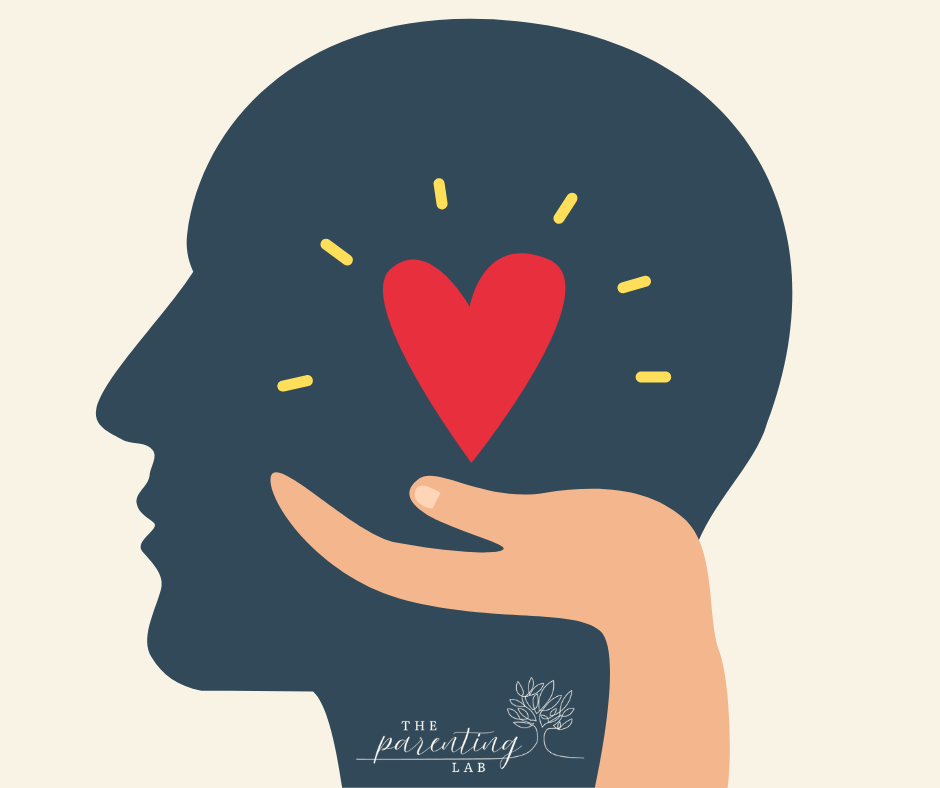
Every relationship operates through three foundational channels:
- The Head - how we think about what’s happening
- The Heart - how we feel and attach inside of it
- The Hands - what we actually do
These aren’t personality types.
They’re entry points into connection.
And most relationship conflict happens when we enter through different doors.
Instead of assuming incompatibility or poor communication, what if the issue is simply misalignment between thinking, feeling, and doing?
Understanding this changes everything.
The Head: Logic, Clarity, and Growth
The Head is the doorway to thought.
It asks:
- What happened?
- What does this mean?
- What should we do about it?
The Head brings:
- Perspective
- Accountability
- Boundaries
- Reflection
- Problem-solving
In marriage and parenting, the Head helps us learn from conflict instead of repeating it.
But when the Head dominates, it can override emotional connection.
This shows up as:
- Over-intellectualizing emotions
- Correcting instead of comforting
- Explaining instead of attuning
When someone says, “That hurt my feelings,” and the response is, “That’s not what I meant,” the Head has taken over before the Heart was acknowledged.
Logic isn’t wrong.
But timing matters.
The Heart: Emotional Safety and Attachment
The Heart is the doorway to feeling.
It holds:
- Emotional presence
- Vulnerability
- Empathy
- Attachment needs
- A sense of safety
From a nervous system perspective, the Heart activates first in moments of perceived threat or disconnection. The body asks: Am I safe? Am I seen?
When the Heart is missing, relationships feel transactional.
When the Heart dominates without support, emotions feel overwhelming and reactive.
In parenting, this can look like:
- Responding to behavior without addressing feelings
- Lecturing instead of connecting
- Or reacting emotionally without reflection
Healthy emotional connection requires more than empathy - it requires integration.
The Hands: Action, Repair, and Trust
If the Head understands and the Heart feels, the Hands act.
The Hands are:
- Follow-through
- Repair after mistakes
- Consistency
- Tangible expressions of love
Insight builds awareness.
But action builds trust.
Without the Hands:
- Apologies happen without change
- Promises are made but not kept
- Patterns repeat
In relationships, emotional connection without behavior change eventually erodes safety.
The Hands turn understanding into lived experience.
Why Couples and Families Keep Missing Each Other
Most conflict isn’t about love.
It’s about doorway differences.
Common clashes include:
Heart vs. Head
One person wants emotional validation.
The other offers explanation.
Head vs. Hands
One wants insight and conversation.
The other wants visible change.
Heart vs. Hands
One wants to process.
The other wants to fix.
Neither is wrong.
They’re just entering from different doors.
When we recognize this, conflict becomes less about personality and more about awareness.
How Attachment and the Nervous System Shape Your Default Door
Your default doorway didn’t come from nowhere.
It was shaped by:
- Your attachment patterns
- How conflict was handled in your home
- What felt safe growing up
- How you learned to get your needs met
Some people learned that logic was safest.
Some learned that emotional attunement was everything.
Some learned that love meant doing and fixing.
These were intelligent adaptations.
But what protected you in childhood may not serve you in adult relationships.
How to Balance Head, Heart, and Hands in Conflict
Integration isn’t about mastering all three perfectly.
It’s about bringing the missing channel into the moment.
Here’s how to begin:
1. Notice Your Default
When stressed, do you:
- Think first?
- Feel first?
- Act first?
2. Notice Theirs
Are they:
- Seeking emotional connection?
- Looking for clarity?
- Wanting action?
3. Meet Them Intentionally
If they’re in their Heart, start with validation.
If they’re in their Head, provide structure and clarity.
If they’re in their Hands, ask what concrete action would help.
4. Use Differences as Strengths
Healthy relationships aren’t about becoming the same.
They’re about becoming complementary.
The intellect, tenderness, or drive that once attracted you may now feel like tension - not because it’s wrong, but because it’s different.
Work with those differences, not against them.
5. Notice Where You're Getting Stuck
Where do you get stuck - in thinking, feeling, or doing?
Which doorway is underrepresented in your closest relationships? How could you bring more Head, Heart, or Hands into a conversation today?
The Art and Science of Connection
The Head, Heart, and Hands framework is where:
- Attachment theory
- Nervous system regulation
- Brain development
intersect with:
- Communication
- Awareness
- Intentional action
When all three work together, connection is felt, understood, and trusted.
Not just in theory - but in daily life.
Final Thoughts
You’re both in the same room.
You’re both trying to love well.
You may just be walking through different doors.
When we align thinking, feeling, and doing, we stop fighting the wrong battle - and start building relationships that are resilient, safe, and deeply connected.
♥ Your Parent Coach, Brittney
Find courses on Attachment, the Nervous System, and Brain Science HERE