26. The Invisible Parent: Showing Up When It Feels Like No One Sees You
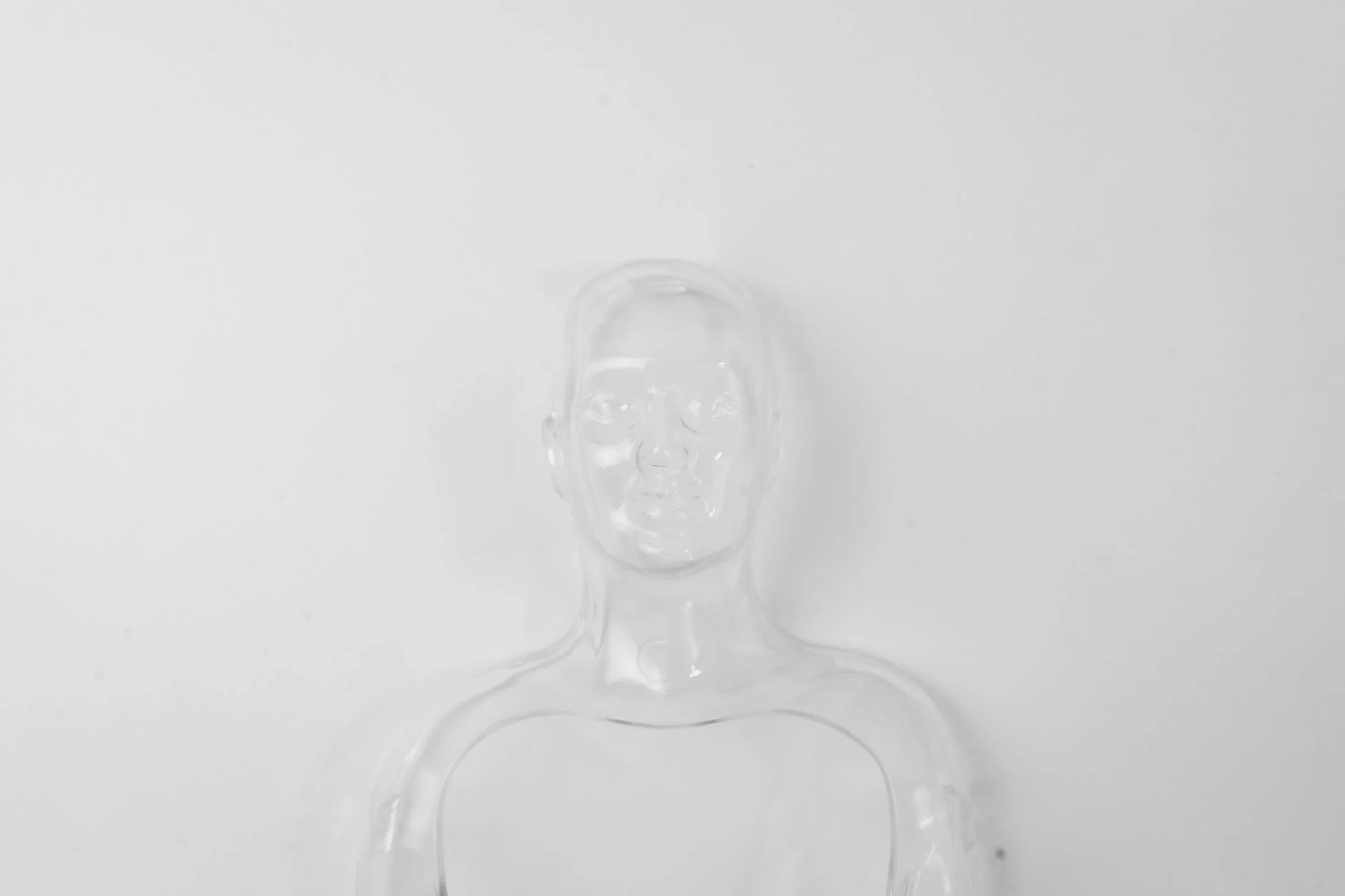
Parenthood changes everything - your routines, your responsibilities, your time, your energy. But one of the most painful and least talked-about changes is this:
You start to disappear.
Not literally.
Not in a dramatic, movie-scene kind of way.
But in the quiet ways that matter most.
You become the fixer, the finder, the planner, the one who remembers the dentist appointments, the shoe sizes, the homework deadlines, the snacks, the emotions, the meltdowns. And slowly, sometimes without noticing, you stop being seen as a whole person - and instead become a role.
Today, we’re talking about something so many parents feel but rarely name:
The Invisibility Wound.
This wound doesn’t start in parenthood…
but parenting has a way of shining a light on it.
Let’s dig in.
Why Parents Start to Feel Invisible
The moment we step into parenting, a subtle shift happens. We go from being full, complex humans to being known for what we do - not who we are.
There are three major reasons this happens:
1. Cultural Conditioning: “Good parents come last.”
From every direction, parents (especially mothers) are told that real love means disappearing.
Put yourself last.
Sacrifice everything.
Exhaustion is honorable.
And while parenting does require sacrifice, that message repeated day after day slowly erodes your sense of self. It teaches you: your needs matter less.
2. Sheer Exhaustion
Sleep deprivation, tantrums, teenage moods, schedules, school drop-offs, and the emotional labor that runs through all of it - exhaustion makes self-neglect feel inevitable.
When you're barely surviving, of course your identity slips into the background.
3. The Identity Overhaul
Becoming a parent rewrites your life. But if that new role takes up all the space, invisibility creeps in.
And if you grew up unseen, unacknowledged, or minimized, this may feel familiar - even comfortable.
Which brings us to the deeper layer.
The Invisibility Wound (and Where It Really Comes From)
Feeling unseen in parenting isn’t just about life today.
For many of us, it’s the resurfacing of a much older story - the invisibility wound, formed in childhood when:
- Your feelings were dismissed
- Your needs were minimized
- You were “the good one,” “the strong one,” “the quiet one,” or “the responsible one”
- You learned to take up as little space as possible
- You received attention only when you performed perfectly
- You grew up around chaos or conflict and surviving meant blending in
These patterns shape how we show up as adults.
So when our partner doesn’t acknowledge what we carry, or our kids overlook our sacrifices, the pain isn’t just about today. It’s a reopening of that old, familiar wound whispering:
“You’ve never really been seen.”
How Invisibility Shows Up in Parent Relationships
Parenting doesn’t happen in isolation - and invisibility shows up most clearly in our closest relationships.
1. Not Feeling Seen by Your Partner
Maybe they notice:
- The groceries you bought
- The chores you did
- The logistics you managed
…but not you.
A huge part of this is the invisible load - the mental and emotional labor that nobody sees but everyone benefits from.
When that load goes unrecognized, resentment builds. And resentment is a quiet form of loneliness.
Often, we’re not just needing help - we’re needing to be seen.
And that starts with saying:
“I don’t just want help with the laundry. I want you to notice me - who I am underneath the tasks.”
2. Not Feeling Seen by Your Kids
Children are developmentally self-focused, so their lack of acknowledgment is normal - but if you carry an invisibility wound, it can feel devastating.
The key reminder is:
Their self-focus is not proof you don’t matter.
But if we want them to grow into adults who see others clearly, including us, they need to see us as full humans - not just the ones who meet their needs.
That means letting them see:
- Your boundaries
- Your joy
- Your interests
- Your personality
- Your passions
- Your “humanness,” not just your parenting
That visibility matters more than you think.
The Cost of Parental Invisibility
Invisibility doesn’t just hurt - it changes us.
It makes us shrink.
It makes us silence our needs.
It makes us live smaller, quieter lives.
And it alters our relationships:
- Intimacy fades
- Resentment grows
- Disconnection deepens
Most importantly, our children lose the chance to witness a parent who is whole, alive, and connected to themselves.
We cannot teach our kids to honor their humanity if we are constantly denying our own.
Why Some Parents Disappear More Easily
Some parents slip into invisibility faster than others because of:
- Childhood emotional neglect
- Family roles (“the helper,” “the easy one,” “the responsible one”)
- Cultural and gender expectations
- Fear of conflict
- A caregiving temperament
- Anxiety around being “too much” or “needy”
If invisibility feels familiar…
that’s because it is.
But it is not permanent.
The Way Back: How Parents Become Visible Again
Healing the invisibility wound is not about convincing others to see you.
It starts with how you see yourself.
Here’s the path back to visibility:
1. Awareness
Ask yourself:
- Where do I feel invisible?
- With whom?
- In what moments?
- What does it remind me of?
Naming it is powerful.
2. Self-Recognition
This is the hardest part:
No one can see you clearly if you don’t see yourself first.
This might look like:
- Journaling
- Naming what lights you up
- Reconnecting with old passions
- Asking: “Who am I outside of my roles?”
3. Taking Up Space
Start practicing:
- Saying no
- Saying yes to joy
- Speaking up
- Trying things you love
- Letting yourself be visible in your relationships
Not as the parent.
As the person.
4. Community
We heal in connection.
Find the people who see you, reflect you, and remind you that you matter beyond what you give.
My Own Journey Back to Visibility
Your personal reflection was stunning and deeply human, and here’s the adapted version in blog form:
I want to honor something many of you feel:
Some of you aren’t trying to “find yourselves again.”
You’re trying to know yourselves for the first time.
For most of my life, I lived according to labels given to me - easy, responsible, helpful. I made decisions in service of others. I mistook roles for identity.
And it wasn’t until my kids became teenagers, differentiating from me and discovering themselves, that I realized:
I didn’t actually know who I was.
Who I liked.
What I enjoyed.
What I believed.
Their growth revealed my invisibility.
And that realization began the healing process of becoming visible - not just as a mom, or wife, or coach, but as a whole, complicated, vibrant woman.
It has been tender, vulnerable, and sometimes embarrassing.
My instinct is still to shrink.
But I am proud of the woman I’ve become.
And my kids have witnessed every step of it.
Letting myself be seen has made me a better mother - not a worse one.
The Truth You Need to Hear
You deserve to be seen.
Not just for what you do.
Not just for what you give.
Not just for who you support.
You deserve to be seen for who you are.
Your voice matters.
Your story matters.
Your presence matters.
You are not invisible - even if it feels that way right now.
If This Resonated, You’re Not Alone
I’m so grateful you spent this time with me.
If this struck something tender, I’d love to hear from you. Leave a comment. Share your story. Pass this to someone who may be longing to be seen.
And join me next week as we continue exploring the art and science of parenting - and the healing work that transforms us along the way.
♥ Your Parent Coach, Brittney