8. "What's My Job?" - The Question that Changes EVERYTHING in Parenting!
Welcome back to The Parenting Lab! I hope this last week has been a good one for you and your family. For me, it’s been a really sweet season. My kids are young adults now, and we’ve been doing all the fun stuff - making plans, weighing options, dreaming about the future, and soaking up as much time together as we can.
My son is 20 and serving a two-year mission in Bolivia. He has about seven months left, and even though we get to talk once a week, I am so ready to wrap my arms around him again. Parenting young adults is a whole new world, but it’s such a deeply rewarding one.
And this week, as I’ve reflected on my 20 years of parenting, one thought has been sitting on my heart - something that has shaped our family culture from the very beginning and has saved my relationship with my kids again and again.
It’s a simple question with a simple answer:
As a parent… what’s my job?
Before I share mine, pause and think about your answer. We wear so many hats as parents. There are no wrong answers here.
But here’s the answer that has guided me for two decades - and the answer my children grew up hearing:
My job is to keep my kids safe.
That’s it. Everything else grows from that.
This one grounding question has become a mantra in our home. It’s rooted in one of our core family values: safety. And because we’ve used this framework for so long, my kids genuinely believe it - not just in a “Mom said so” way, but in a deep, foundational way.
They trust that I won’t do anything to harm them.
They trust that I won’t allow anything that compromises their safety.
They trust that when I set a boundary, it’s not about control - it’s about care.
And with that trust, I get to guide, mentor, counsel, teach, and even discipline from a place of mutual respect.
This is what happens when you parent from your values instead of from fear.
The Everyday Moments That Built This Foundation
Let me share two stories - because parenting doesn’t get shaped by one dramatic moment. It’s built brick by brick through a thousand small ones.
Story 1: The 5th Grade Field Trip That Broke Me Open
When my son was in fifth grade, he went on a field trip. He was supposed to walk home with friends, but the time came and went. His friends walked by - no sign of him. The teacher didn’t remember seeing him. The school didn’t have him.
Panic. Full panic.
I called the police. I called my mom. I spiraled into the worst-case scenarios.
And then the call came: he was with my sister. She saw him walking and brought him home to play - but forgot to call me. He thought everything was fine. I was losing my mind. When he came home, scared and confused, we talked.
I said, “Gibson, what’s my job?”
“To keep me safe.”
“Right. And I can’t do my job if you don’t tell me where you are.”
We need each other. Safety is a two-way street.
Story 2: The Teenage Curfew Lesson
Years later, teenager now, he missed curfew. Phone dead. No updates. No contact.
This time, he had no Auntie to blame.
When he got home, we talked.
“What’s my job?”
“To keep me safe.”
“And I can’t do that if I don’t know where you are.”
I didn’t punish him for missing curfew. But he needed to understand the responsibility we each hold in keeping him safe.
When kids believe your job is safety - not control - they respond differently.
How We Create a Family Culture of Safety
Keeping our kids safe isn’t about piling on rules. In fact, we have very few. Too many rules create confusion, fear, and resentment. Instead, safety in our home is built on four essential pillars.
These are the pillars that shape our kids’ nervous systems, emotional intelligence, independence, and long-term resilience.
Let’s break them down.
1. Physical Safety: Protection and Exploration
Physical safety is more than crossing the street or avoiding hot stoves. It’s about being your child’s safe harbor, especially as their world expands.
Here’s what physical safety really includes:
A Safe Harbor to Return To
As kids grow, they explore. They take risks. They stretch themselves. You want them to see the world as a place of opportunity - not danger.
Your job is to be the steady, grounding place they come back to.
Caution Without Fear, Confidence Without Carelessness
Kids don’t need bubble wrap. They need awareness.
Instead of “Be careful!” try:
“What’s your plan?”
This simple shift helps them:
- assess risk
- practice problem-solving
- build confidence
- stay within their limits
Real example: I watched a preschooler navigate a corkscrew fire pole by himself after telling me his plan - and yes, clumsily but successfully.
Body Knowledge Without Shame
Use correct anatomical language.
Normalize curiosity.
Answer questions honestly.
Shame around bodies impacts self-esteem, mental health, and intimacy later in life.
And finally: Non-violence. Always.
Physical punishment has no place in a home rooted in safety. The research is clear.
2. Emotional Safety: The Power of Being a Calming Presence
Are you an emotionally safe space for your child?
Do they know they can come to you with:
- big feelings
- meltdowns
- mistakes
- fears
- confessions
- dreams
…without being judged or punished?
Emotional safety grows through:
- regulating yourself first
- using “the pause” before responding
- listening more than lecturing
- validation instead of correction
- presence over performance
Your kids - especially teens - don’t need immediate lessons.
They need you to hear them, not fix them.
3. Psychological Safety: Protecting How Your Child Thinks
Psychological safety is about allowing kids to take risks, try new things, fail, and try again without fear of ridicule or harsh criticism.
It’s about giving them room to:
- develop independent thought
- express their ideas
- build critical thinking
- trust their intuition
- make mistakes without shame
Ask their opinions.
Believe what they tell you - even the small things.
If a child says, “I hate blueberries,” and you respond, “No you don’t,” you teach them not to trust themselves.
Small moments matter.
4. Social Safety: Guiding Friendships, Boundaries & Online Life
Social safety is one of the most challenging areas of parenting because it involves:
- friends
- peers
- social media
- group dynamics
- belonging
- identity
Your job is not to choose your child’s friends.
Your job is to help them develop healthy social instincts.
This looks like:
Knowing their friends - and their friends’ parents
Not as surveillance, but as community.
Knowing the details of their plans
Where they’re going, who they’re with, what they’ll be doing.
(My daughter is excellent at this. I get the play-by-play. It’s hilarious and wonderful.)
Staying involved in their online world
Follow their accounts.
Know what apps they’re using.
Monitor messages.
Keep conversations open.
Teaching boundaries
It’s okay to walk away from unkindness.
It’s okay to say no.
It’s okay to protect their peace.
Parenting from trust - not fear
Your fears come from your past.
Your child deserves a present rooted in trust, not old wounds.
And if your fears feel too big, therapy or coaching can help.
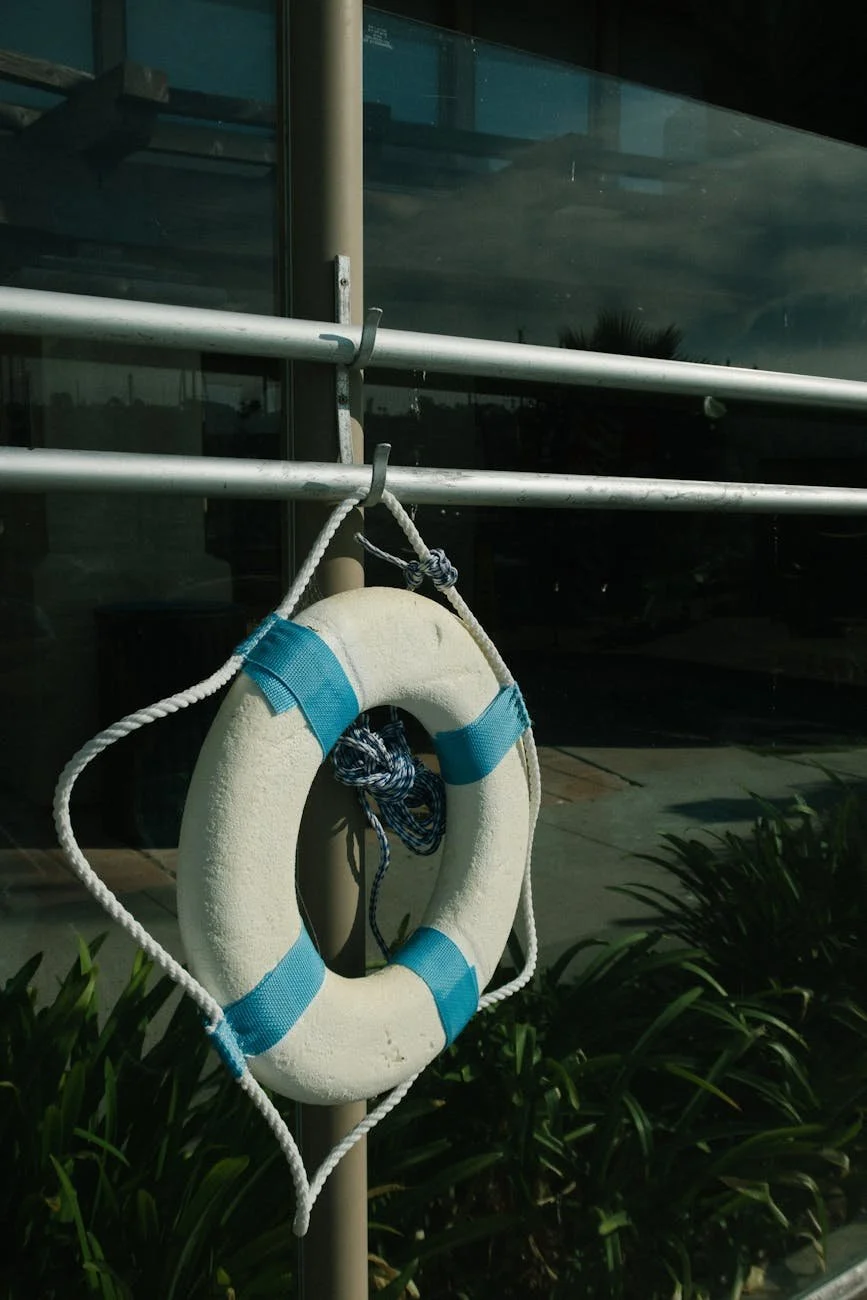
You Are the Harbor. They Are the Boat.
If nothing else, remember this:
You are the fixed point.
They are meant to sail.
You’re not here to stop them from exploring the world.
You’re here to teach them how to navigate it - and provide the place they return to when the waves get rough.
Everything you do, from screen time rules to curfew to what you keep in the fridge, can connect back to one grounding truth:
What’s my job?
To keep you safe.
And when your children believe that - deeply - they understand the why behind your boundaries, even when they don’t like the boundaries themselves.
That’s where connection grows.
That’s where trust lives.
That’s where safety is built.
I hope this gives you something to sit with this week. Thank you for being here, for listening, and for the work you’re doing in your own home and family.
If this episode resonated, share it with another parent who could use a little more safety, trust, and grounding in their parenting journey.
♥ Your Parent Coach, Brittney