9. People Problems vs. Process Problems
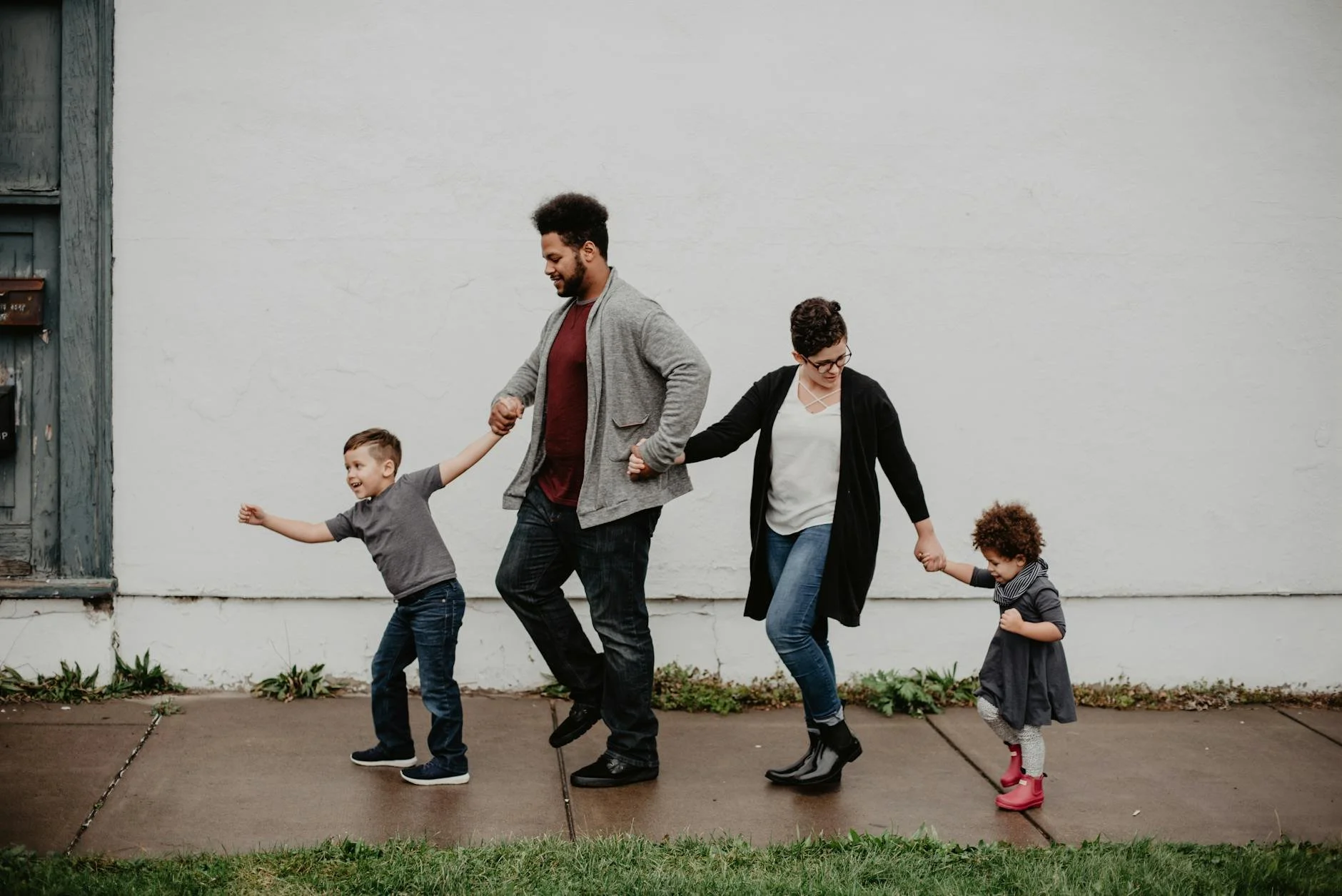
Welcome back to The Parenting Lab! Today, we’re building a surprising bridge between parenting and business leadership - a crossover that might completely change the way you understand your child’s behavior.
There’s a concept in organizational psychology called the Diamond Model, developed by Harold Leavitt in the 1960s, and although it emerged from the world of corporate leadership, it has huge implications for the way we parent.
This model helps us distinguish between:
✨ People Problems
✨ Process Problems
And when we bring this distinction into parenting, everything shifts. How we respond shifts. How we support our kids shifts. And honestly, how calm and confident we feel as parents shifts too.
So let’s break this down - from the boardroom to the playroom - in a way that helps you understand why certain challenges keep happening and what to do about them.
What Are People Problems vs. Process Problems in Parenting?
In leadership theory, “people problems” come from individuals - their personality, preferences, or behavior. “Process problems” come from the systems, steps, routines, or environments around them.
The exact same distinction applies to parenting.
People Problems (Behavior-Based Challenges)
A people problem is rooted in your child’s:
- choices
- reactions
- temperament
- emotional regulation
- behaviors toward others
It often feels like the issue is coming from your child.
Examples include:
- Your child constantly challenges authority
- Persistent arguing or refusal to follow instructions
- Emotional outbursts that feel personal or intentional
- Disrespectful communication
- Explosive reactions “out of nowhere”
These moments feel like:
“Why won’t they listen?”
“Why do they keep doing this?”
“Why are they like this?”
When we interpret something as a people problem, it’s easy to fall into blame, labels, or frustration.
But often… those “people problems” are really something else entirely.
Process Problems (System, Structure, or Environment-Based Challenges)
A process problem isn’t about who your child is. It’s about the systems surrounding them.
This includes:
- unclear expectations
- poor communication
- ineffective routines
- overwhelmed schedules
- unmet physiological needs
- too much stimulation
- lack of emotional support
- environments that don’t set them up for success
Examples include:
- Homework meltdowns because the routine doesn’t work
- Morning chaos because expectations are unclear
- Constant power struggles because transitions are too abrupt
- Sibling fighting because they’re hungry, tired, or overstimulated
These are system failures, not character flaws.
And when you solve the process…
the “people problem” often magically improves too.
How to Tell the Difference: A Simple Three-Step Test
Before reacting, pause and ask these three questions:
1. Start With the Behavior
Is the issue rooted in your child’s choice, or could it be influenced by:
- the environment?
- unclear expectations?
- unmet needs?
- lack of skills or support?
A child acting out at school might be defiant…
or the classroom may not be suited to their learning style.
2. Consider the Bigger Picture
Is this a long-term pattern tied to their temperament?
Or something new caused by a shift in schedule, sleep, diet, stress, or routine?
Kids rarely “suddenly become difficult.”
There’s almost always a process behind it.
3. Ask What Actually Needs to Change
If it’s a people problem:
Your child needs guidance, skills, boundaries, and support.
If it’s a process problem:
Your systems need to change.
This is where parents often get stuck.
It’s emotionally easier to say:
“My kid never listens”
than to say:
“Our routine doesn’t work, and I need to adjust it.”
But the transformation lives in this honesty.
Navigating People Problems With Care and Intention
When the issue is a true people problem, your goal is growth - not fixing your child’s personality.
You focus on:
- emotional intelligence
- self-regulation
- communication skills
- problem-solving
- resilience
- taking responsibility
And please - this part is crucial:
Be mindful about labeling your child’s innate traits.
Kids internalize every message we send about:
- who they are
- what we expect from them
- what parts of them are “too much” or “not enough”
As Francis Galton said:
“Nature is all that a man brings with himself into the world; nurture is every influence that affects him after his birth.”
Don’t let your frustration become their inner voice.
Support their nature.
Guide their nurture.
Shape the environment so their traits become strengths, not liabilities.
Navigating Process Problems: Fixing the System, Not the Child
Process problems require us to examine:
- routines
- expectations
- communication
- transitions
- sensory environments
- schedules
- our own regulation
- the structure of home life
Your job is to create systems that support your child’s:
- development
- attention
- emotional needs
- learning style
- temperament
Examples of better processes include:
- breaking big tasks into steps
- building in decompression time after school
- offering visual schedules
- clarifying expectations
- planning transitions
- adjusting timing
- simplifying routines
And one reminder:
Never become more attached to the process than the person.
Rigid systems create resentment.
Flexible systems create connection.
You’re raising a human, not running a factory.
The Hard Truth: Parents Often Mislabel Process Problems as People Problems
This part might sting a little, but it’s said with so much love:
Parents often want it to be a “people problem” because it feels outside their control.
“My kids are disrespectful.”
“I yell because they don’t listen.”
“My house is a mess because nobody cares.”
“I can’t enjoy parenting because they act out.”
But in almost every one of these situations…
the process is the problem.
And when you shift the process?
The “problem” child transforms because the environment supports them.
This isn’t about blame.
It’s about empowerment.
If you can change the system, everyone wins.
A Real-Life Example: The 4 PM Dinner Fix
I saw a mom on Instagram who started feeding her kids dinner at 4 PM. A full dinner. Early.
She did it because:
- her kids were fighting
- they were cranky
- they pushed back on homework
- they talked back
- they were melting down every afternoon
Easy to label this as a people problem:
“They’re disrespectful.”
“They’re lazy.”
“They’re rude.”
But she asked the right question:
What if this is a process problem?
Her kids were:
- hungry
- overstimulated
- emotionally drained
- running on empty
So she shifted the process:
4 PM dinner
Decompression
Connection
Then homework, chores, and responsibilities
Same expectations.
Different order.
And everything changed.
A small process shift created a big behavior shift.
Why This Model Matters for Raising Resilient, Emotionally Intelligent Kids
When you learn to distinguish people problems from process problems, you:
- respond with more compassion
- regulate yourself better
- reduce conflict
- support your child’s development
- teach problem-solving
- build confidence
- strengthen your relationship
- avoid unnecessary power struggles
And the biggest benefit?
Kids learn to solve their own problems.
When they’re young, you manage the systems.
As they grow, you teach them to manage:
- their routines
- their time
- their responsibilities
- their communication
- their social environments
This is the foundation for independence, emotional maturity, and self-advocacy.
The Parenting Takeaway: Fix the Process, Support the Person
The distinction between people problems and process problems can truly transform your parenting.
You’re not trying to change who your child is.
You’re adjusting the systems that support who they’re becoming.
Look at the environment.
Look at the expectations.
Look at the communication.
Look at the routine.
Look at the transitions.
Look at the unmet needs.
Because nine times out of ten?
When the process works, the person thrives.
Thank you for joining me for this episode of The Parenting Lab. I hope this framework gives you clarity, confidence, and a new way to approach the challenges in your home.
When you start seeing the difference between people problems and process problems, parenting gets lighter. Your child gets more supported. And your whole family feels more aligned.
♥ Your Parent Coach, Brittney